





Introduction
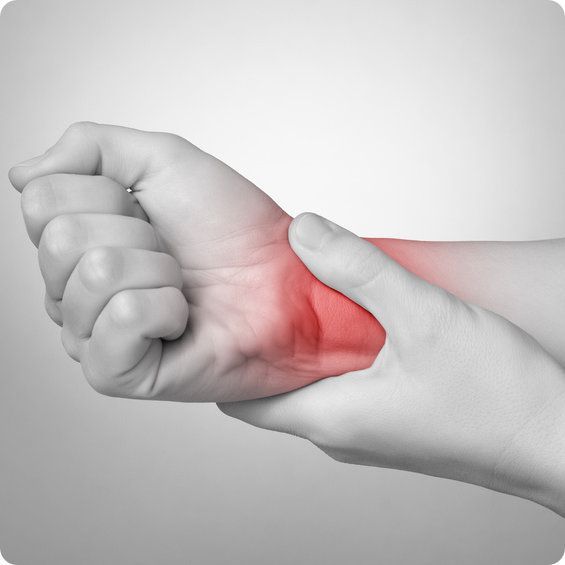
An arm muscle strain is a common injury that occurs when muscle fibers are overstretched or torn. It can happen during sports, weightlifting, physical work, or even routine daily activities that involve repetitive arm movements. While mild strains often heal on their own, proper arm muscle strain treatment is essential to reduce pain, speed up recovery, and prevent long-term complications.
Understanding the causes, symptoms, and treatment options for arm muscle strains can help individuals return to their normal activities safely and effectively.
What Causes an Arm Muscle Strain?
Arm muscle strains typically occur when a muscle is subjected to more force than it can handle. Common causes include:
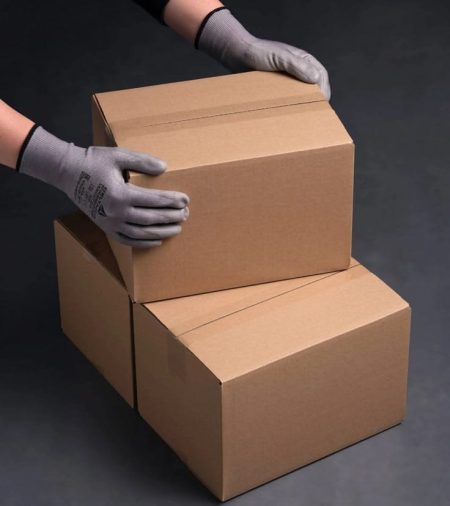
- Lifting heavy objects incorrectly
- Sudden pulling or twisting movements
- Repetitive arm motions
- Intense exercise without proper warm-up
- Sports injuries involving throwing or swinging motions
- Muscle fatigue and overuse
Athletes, fitness enthusiasts, and people with physically demanding jobs are particularly susceptible to arm muscle strains.
Recognizing the Symptoms
The severity of symptoms depends on the extent of the muscle damage. Common signs include:
- Sharp or aching pain in the arm
- Swelling around the injured area
- Muscle tenderness
- Weakness when lifting or gripping objects
- Limited range of motion
- Bruising in more severe cases
If severe pain, significant swelling, or loss of function occurs, medical evaluation may be necessary.
Immediate Treatment: The RICE Method
One of the most widely recommended approaches for treating a muscle strain is the RICE method:
Rest
Avoid activities that aggravate the injury. Continuing to use a strained muscle can worsen the damage and delay healing.
Ice
Apply an ice pack to the affected area for 15 to 20 minutes every few hours during the first 48 hours after injury. Ice helps reduce swelling and numb pain.
Compression
Using an elastic bandage can help control swelling and provide support to the injured muscle. Ensure the bandage is snug but not so tight that it restricts circulation.
Elevation
Keeping the arm elevated above heart level whenever possible helps minimize swelling and promotes better blood circulation.
Pain Management
Over-the-counter pain relievers may help reduce discomfort and inflammation. However, medication should be used according to recommended guidelines.
Gentle stretching and movement can be introduced once acute pain begins to subside. Avoid pushing through pain, as this can worsen the injury.
Physical Therapy and Rehabilitation
For moderate or severe strains, rehabilitation exercises play a crucial role in recovery. Physical therapy focuses on:
- Restoring flexibility
- Improving muscle strength
- Enhancing range of motion
- Preventing future injuries
A therapist may recommend gradual strengthening exercises using resistance bands or light weights as healing progresses.
Recovery Timeline
Recovery time varies depending on the severity of the strain:
Mild Strains
Minor strains often improve within one to three weeks with proper care.
Moderate Strains
Partial muscle tears may require three to six weeks of recovery and rehabilitation.
Severe Strains
Complete tears can take several months to heal and may occasionally require surgical intervention.
Patience is important during recovery, as returning to activity too quickly can lead to re-injury.
When to Seek Medical Attention
Professional medical evaluation is recommended if:
- Pain is severe or worsening
- Significant bruising develops
- The arm cannot be moved normally
- Swelling is excessive
- Symptoms do not improve after several days of home treatment
A healthcare provider may perform imaging tests to determine the extent of the injury and recommend appropriate treatment.
Preventing Future Arm Muscle Strains
Prevention strategies can significantly reduce the risk of arm injuries:
- Warm up before physical activity
- Stretch regularly to maintain flexibility
- Increase exercise intensity gradually
- Use proper lifting techniques
- Take breaks during repetitive tasks
- Maintain overall muscle strength and conditioning
Developing healthy movement habits can protect muscles from unnecessary strain.
Conclusion
Arm muscle strains are common injuries that can affect anyone, from athletes to office workers. Early treatment using rest, ice, compression, and elevation can help manage symptoms and support healing. Rehabilitation exercises, proper recovery practices, and preventive measures are equally important for restoring full function and reducing the risk of future injuries. With appropriate care and patience, most individuals can recover successfully and return to their normal activities with confidence.